01 · A life in computing
The person behind the work
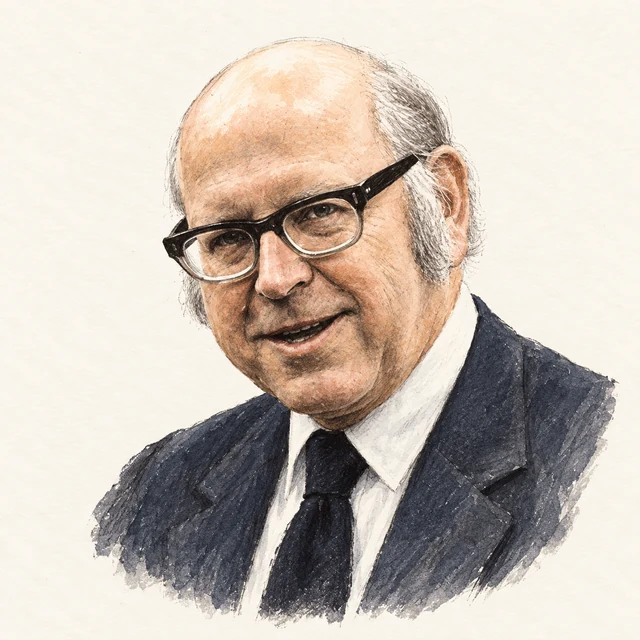
Allen Newell studied intelligence by constructing computer programs that model problem solving. With Herbert Simon and other collaborators, he developed systems including the Logic Theorist and General Problem Solver. His research emphasized information processing as a common framework for understanding human cognition and machine reasoning. At Carnegie Mellon he helped establish computer science and cognitive science, later pursuing integrated cognitive architectures such as Soar.
The contribution, explained
Allen Newell and Herbert Simon, working with J. C. Shaw and others, built programs that represented problems symbolically and searched through possible solutions. Their research connected artificial intelligence with cognitive psychology and helped develop list processing. A computer program could serve both as a problem solver and as an explicit hypothesis about a process of thought.
Why it matters
Heuristic search made some large problem spaces tractable and gave cognitive theories a form that could be tested.