c.curionodeThe Turing Archive

1986 · Theory & algorithms

Giving structure to a graph

Efficient graph algorithms reveal relationships without repeatedly exploring everything.

1986Turing Award
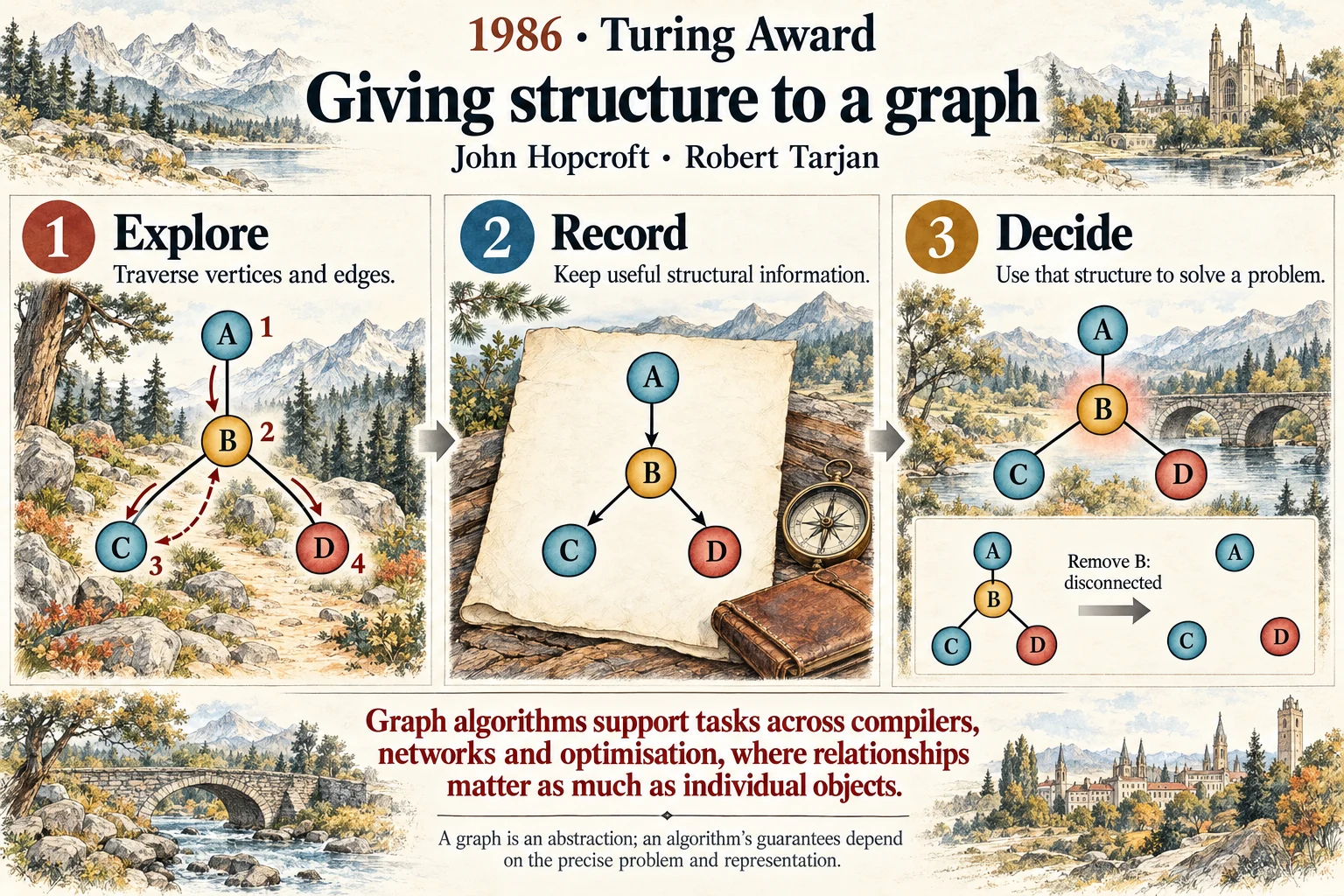
Giving structure to a graph: Efficient graph algorithms reveal relationships without repeatedly exploring everything.
Original AI-generated infographic by Curionode. Read the text version below for the full explanation.
Read the poster text
  1. Explore

    Traverse vertices and edges.

  2. Record

    Keep useful structural information.

  3. Decide

    Use that structure to solve a problem.

Graph algorithms support tasks across compilers, networks and optimisation, where relationships matter as much as individual objects.
A graph is an abstraction; an algorithm’s guarantees depend on the precise problem and representation.

01 · The idea

In everyday language

John Hopcroft and Robert Tarjan advanced the design and analysis of algorithms and data structures. Their work showed how the structure uncovered during a graph traversal could support powerful procedures, including tests of whether a graph can be drawn without crossings. The organisation of the computation was as important as its individual operations.

Why it matters

Graph algorithms support tasks across compilers, networks and optimisation, where relationships matter as much as individual objects.
02 · The people

Who brought the idea to life?

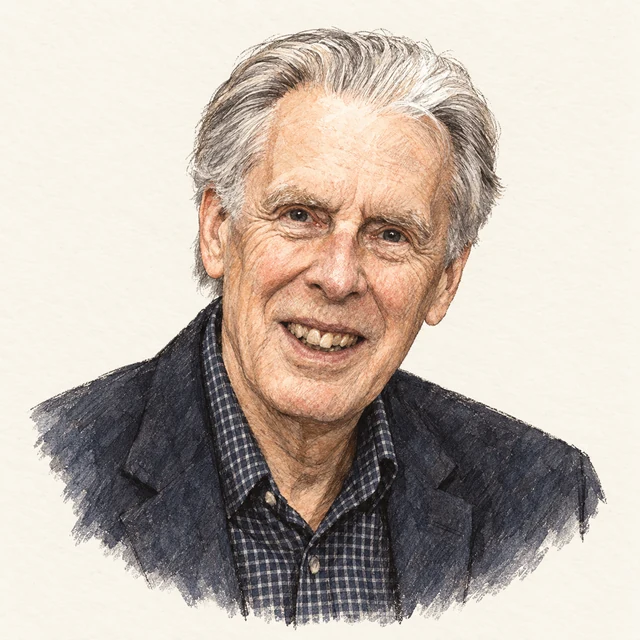
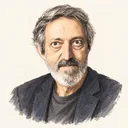
Illustrated portrait of John Hopcroft

John Hopcroft

John Hopcroft helped establish algorithm design and analysis as a systematic discipline. His work on automata, graph algorithms, and data structures showed how mathematical insight could produce substantial efficiency improvements. With Robert Tarjan he developed influential methods for graph problems; he also co-authored widely used textbooks. At Cornell, his research and teaching helped turn algorithms into a coherent core of computer science education.

Read the biography ↗
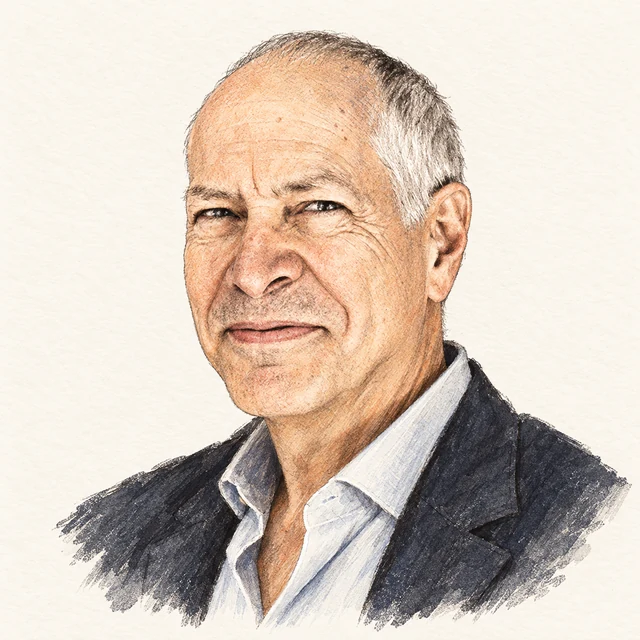
Illustrated portrait of Robert Tarjan

Robert Tarjan

Robert Tarjan developed powerful graph algorithms and data structures together with precise methods for analyzing their efficiency. His research includes depth-first search techniques, union-find analysis, and self-adjusting data structures. Collaborations with John Hopcroft helped establish efficient graph processing as a fundamental area of algorithms. At the time of the 1986 award, he was affiliated with Princeton University and AT&T Bell Laboratories.

Read the biography ↗

03 · Read further

From the original sources

Original explanations based on the official award record. The subject label is an editorial navigation aid.

  1. Official ACM profile: John Hopcroft ↗amturing.acm.org
  2. Heidelberg Laureate Forum: John Hopcroft ↗www.heidelberg-laureate-forum.org
  3. Official ACM profile: Robert Tarjan ↗amturing.acm.org
  4. Heidelberg Laureate Forum: Robert Tarjan ↗www.heidelberg-laureate-forum.org