c.curionodeThe Turing Archive

2017 · Computer systems

Measure before you build

Computer architecture became a quantitative study of useful work and trade-offs.

2017Turing Award

Visual guide

The prize, pictured

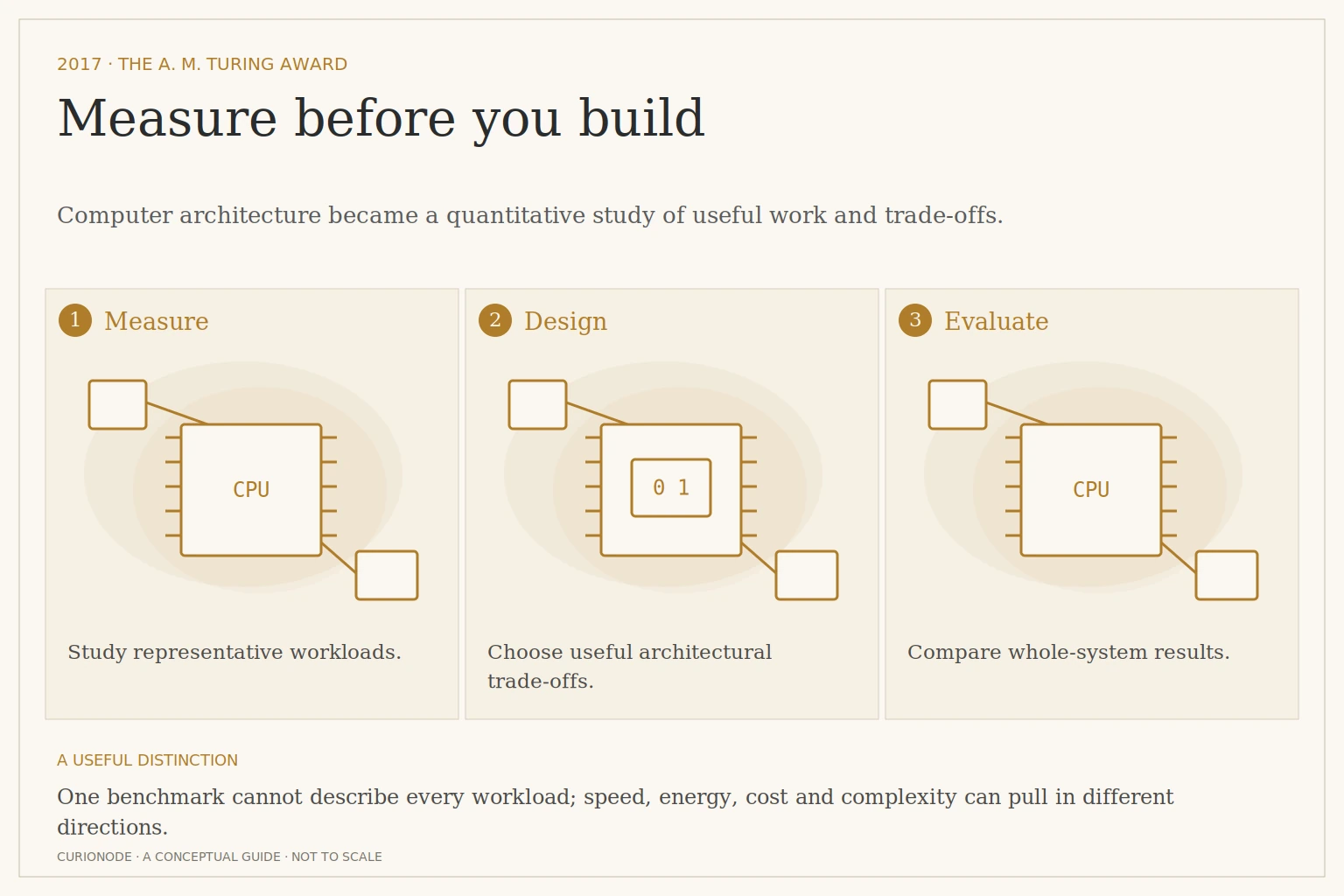
Measure before you build: Computer architecture became a quantitative study of useful work and trade-offs.
Original conceptual diagram by Curionode. Read the text version below for the full explanation.
Read the poster text
  1. Measure

    Study representative workloads.

  2. Design

    Choose useful architectural trade-offs.

  3. Evaluate

    Compare whole-system results.

One benchmark cannot describe every workload; speed, energy, cost and complexity can pull in different directions.

01 · The idea

In everyday language

John Hennessy and David Patterson pioneered a systematic approach to designing and evaluating computer architectures. Their work on RISC and their teaching emphasised measurement, workload behaviour and trade-offs between hardware and compilers. A design should be judged by the performance it delivers on meaningful tasks.

Why it matters

Quantitative reasoning helped guide microprocessor development and made architecture choices easier to compare.

02 · The people

Who brought the idea to life?

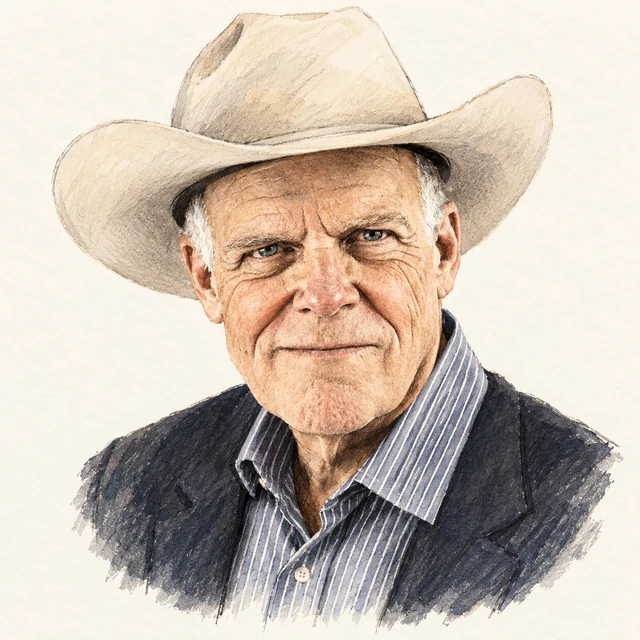
Illustrated portrait of David Patterson

David Patterson

David Patterson helped establish reduced instruction set computing through the Berkeley RISC projects, showing how simpler instruction sets could support efficient processor designs. With John Hennessy, he promoted quantitative comparisons of architectures and wrote influential textbooks. His broader research includes reliable storage and parallel systems. He later worked at Google as well as Berkeley, continuing to connect architectural principles with the demands of practical computing workloads.

Read the biography ↗
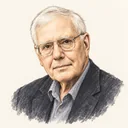
Illustrated portrait of John Hennessy

John Hennessy

John Hennessy led the Stanford MIPS project, an influential realization of reduced instruction set computing. With David Patterson, he made measurement and quantitative evaluation central to teaching and designing computer architectures. Their textbooks connected processor mechanisms to workload performance and engineering tradeoffs. Hennessy also helped bring research into industry and later served as Stanford’s president, combining technical leadership with the development of research institutions.

Read the biography ↗

03 · Read further

From the original sources

Original explanations based on the official award record. The subject label is an editorial navigation aid.

  1. Official ACM profile: David Patterson ↗amturing.acm.org
  2. Heidelberg Laureate Forum: David Patterson ↗www.heidelberg-laureate-forum.org
  3. Official ACM profile: John Hennessy ↗amturing.acm.org
  4. Heidelberg Laureate Forum: John Hennessy ↗www.heidelberg-laureate-forum.org