c.curionodeThe Turing Archive

2018 · Artificial intelligence

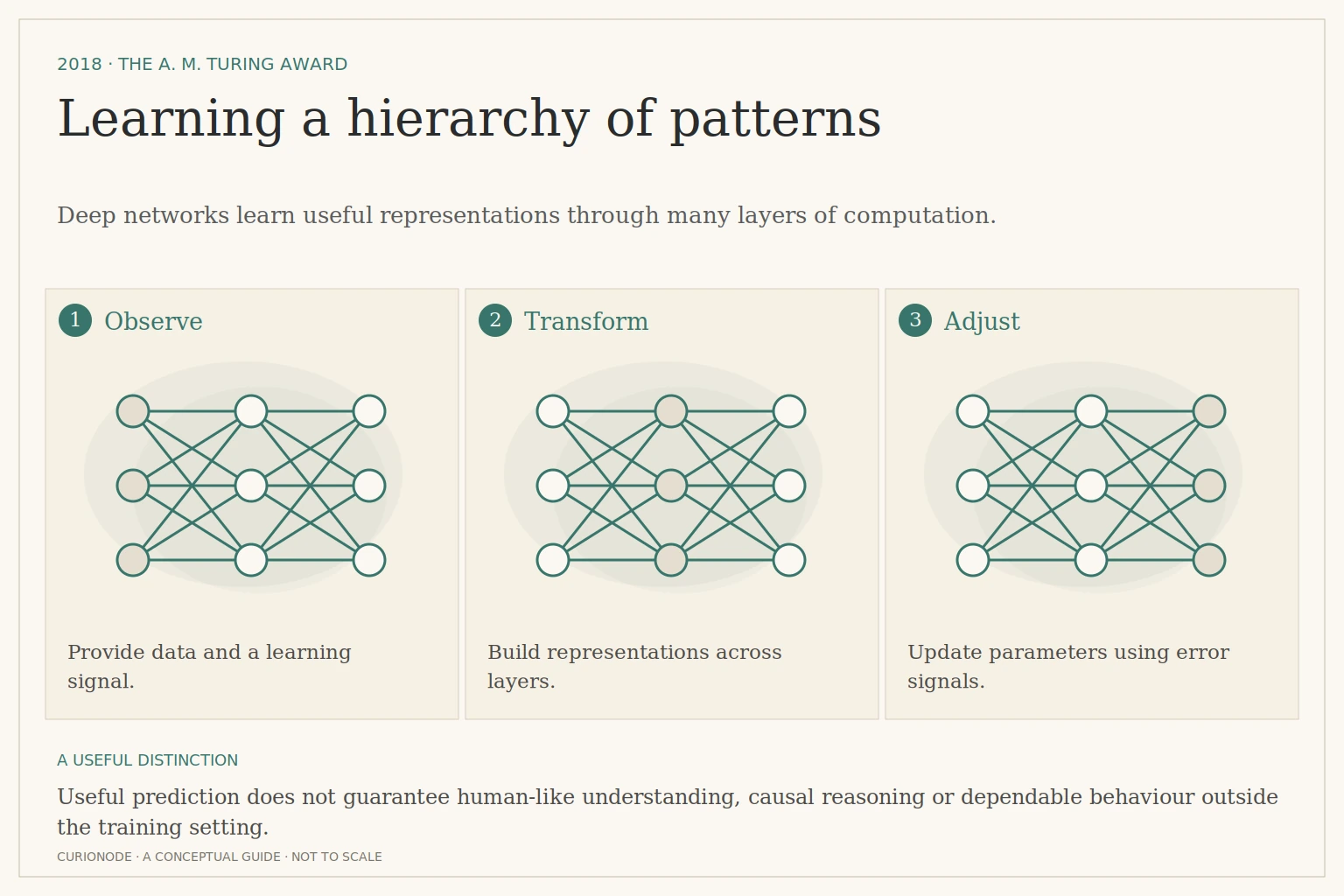
Learning a hierarchy of patterns

Deep networks learn useful representations through many layers of computation.

2018Turing Award

Visual guide

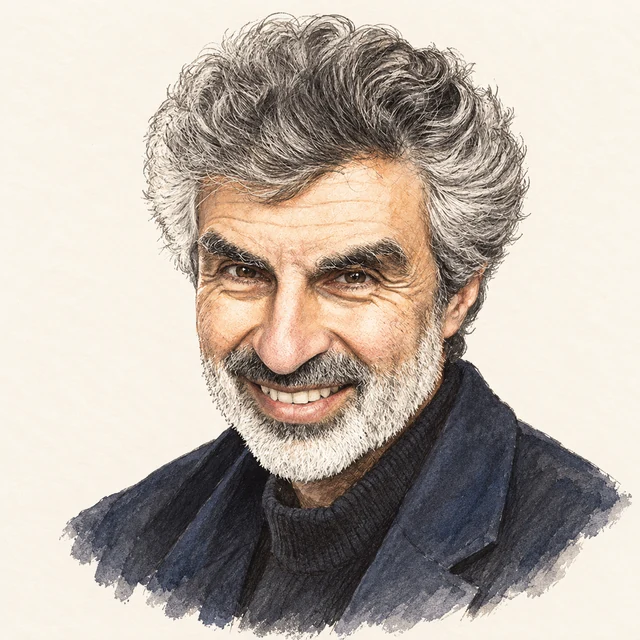
The prize, pictured

Learning a hierarchy of patterns: Deep networks learn useful representations through many layers of computation.
Original conceptual diagram by Curionode. Read the text version below for the full explanation.
Read the poster text
  1. Observe

    Provide data and a learning signal.

  2. Transform

    Build representations across layers.

  3. Adjust

    Update parameters using error signals.

Useful prediction does not guarantee human-like understanding, causal reasoning or dependable behaviour outside the training setting.

01 · The idea

In everyday language

Yoshua Bengio, Geoffrey Hinton and Yann LeCun made conceptual and engineering advances that turned deep neural networks into a central tool of computing. Rather than hand-design every feature, a network can learn intermediate representations from data. Training adjusts its parameters so that many layers work together towards a task.

Why it matters

Learned representations helped transform tasks including image recognition, speech processing and other forms of pattern learning.
02 · The people

Who brought the idea to life?

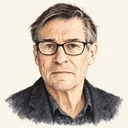
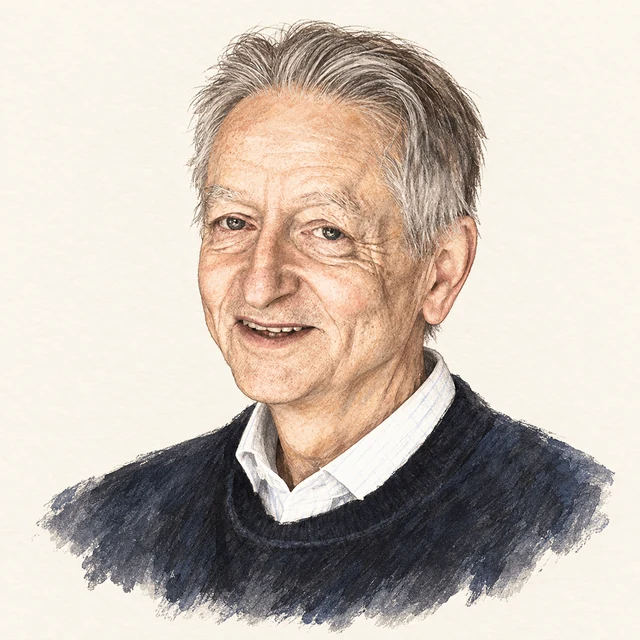
Illustrated portrait of Geoffrey Hinton

Geoffrey Hinton

Geoffrey Hinton helped revive neural networks as a practical approach to machine learning. His work with collaborators advanced learning internal representations, backpropagation, Boltzmann machines, and deep networks. At the University of Toronto, his group helped demonstrate the power of large neural models for image recognition. His award, shared with Yoshua Bengio and Yann LeCun, recognized decades of conceptual and engineering progress that made deep learning influential.

Read the biography ↗
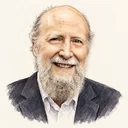
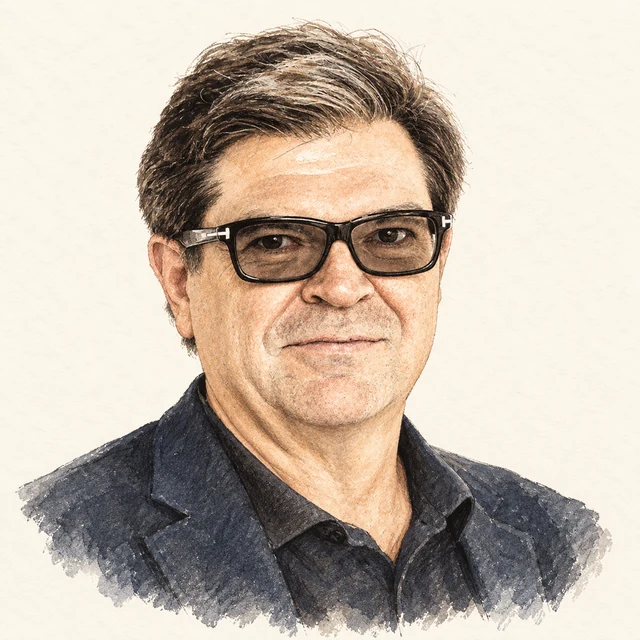
Illustrated portrait of Yann LeCun

Yann LeCun

Yann LeCun developed convolutional neural networks into effective systems for recognizing visual patterns. His work at Bell Labs combined trainable feature extraction with end-to-end learning, including applications to handwritten character recognition. At New York University and Facebook he continued research on representation learning and machine intelligence. His contribution to the joint deep-learning award particularly connects neural-network architecture with the engineering needed for useful perception systems.

Read the biography ↗
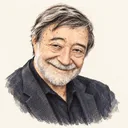
Illustrated portrait of Yoshua Bengio

Yoshua Bengio

Yoshua Bengio developed methods for learning useful representations in deep neural networks. His research helped establish distributed representations of language and investigated how deep architectures can learn complex structure from data. At the Université de Montréal, he also built a major research community around machine learning. His part in the joint award reflects sustained theoretical and experimental work that helped deep learning become a central approach to artificial intelligence.

Read the biography ↗

03 · Read further

From the original sources

Original explanations based on the official award record. The subject label is an editorial navigation aid.

  1. Official ACM profile: Geoffrey Hinton ↗amturing.acm.org
  2. Heidelberg Laureate Forum: Geoffrey Hinton ↗www.heidelberg-laureate-forum.org
  3. Official ACM profile: Yann LeCun ↗amturing.acm.org
  4. Heidelberg Laureate Forum: Yann LeCun ↗www.heidelberg-laureate-forum.org
  5. Official ACM profile: Yoshua Bengio ↗amturing.acm.org
  6. Heidelberg Laureate Forum: Yoshua Bengio ↗www.heidelberg-laureate-forum.org