c.curionodeThe Turing Archive

2019 · Graphics & interaction

Turning a model into a moving world

Computer graphics made geometry, light and surfaces into the ingredients of film.

2019Turing Award

Visual guide

The prize, pictured

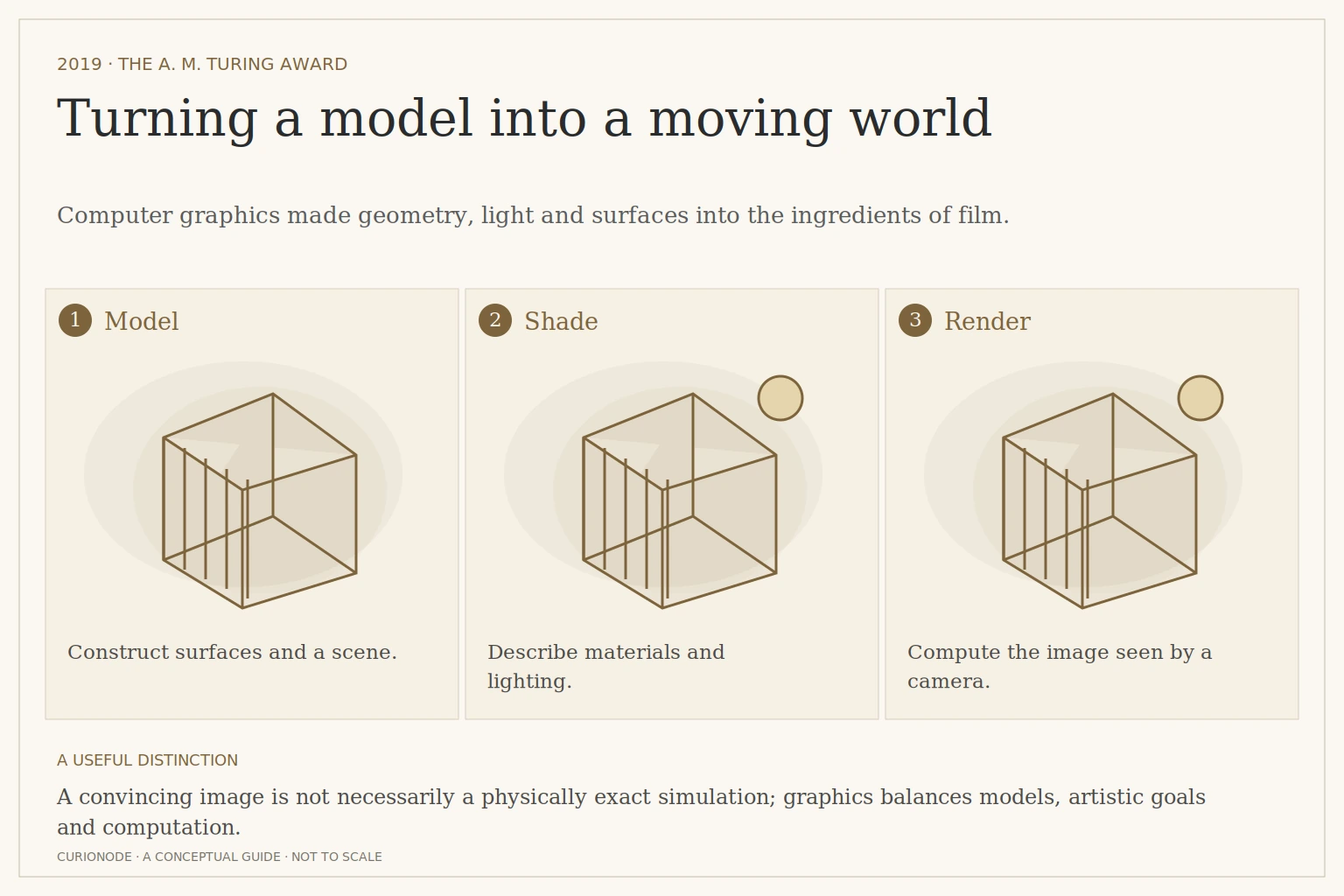
Turning a model into a moving world: Computer graphics made geometry, light and surfaces into the ingredients of film.
Original conceptual diagram by Curionode. Read the text version below for the full explanation.
Read the poster text
  1. Model

    Construct surfaces and a scene.

  2. Shade

    Describe materials and lighting.

  3. Render

    Compute the image seen by a camera.

A convincing image is not necessarily a physically exact simulation; graphics balances models, artistic goals and computation.

01 · The idea

In everyday language

Ed Catmull and Pat Hanrahan made foundational contributions to three-dimensional computer graphics. Techniques for representing surfaces, rendering scenes and specifying how materials respond to light helped turn mathematical models into convincing images. Their work had a major impact on computer-generated filmmaking and other applications.

Why it matters

Rendering tools let artists work with complex visual worlds while reusable techniques manage much of the underlying computation.

02 · The people

Who brought the idea to life?

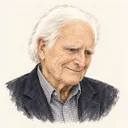
Illustrated portrait of Ed Catmull

Ed Catmull

Ed Catmull helped build the mathematical and technical foundations of three-dimensional computer animation. His research at the University of Utah included methods for representing and displaying curved surfaces and images. He later co-founded Pixar, joining sustained technical development with the production of feature-length animated films. His contribution to the joint award encompasses both graphics innovations and the environment that allowed researchers and artists to turn them into filmmaking tools.

Read the biography ↗
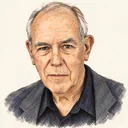
Illustrated portrait of Pat Hanrahan

Pat Hanrahan

Pat Hanrahan developed methods for rendering three-dimensional scenes into convincing images. As an early Pixar employee, he helped design RenderMan and its shading language, giving artists flexible ways to describe how surfaces interact with light. At Stanford he also investigated graphics hardware and visualization. His contribution to the shared award links the algorithms and programming tools of realistic imagery with their widespread adoption in filmmaking and other applications.

Read the biography ↗

03 · Read further

From the original sources

Original explanations based on the official award record. The subject label is an editorial navigation aid.

  1. Official ACM profile: Ed Catmull ↗amturing.acm.org
  2. Heidelberg Laureate Forum: Ed Catmull ↗www.heidelberg-laureate-forum.org
  3. Official ACM profile: Pat Hanrahan ↗amturing.acm.org
  4. Heidelberg Laureate Forum: Pat Hanrahan ↗www.heidelberg-laureate-forum.org