c.curionodeThe Turing Archive

2024 · Artificial intelligence

Learning from what happens next

Reinforcement learning connects actions, rewards and improving predictions.

2024Turing Award

Visual guide

The prize, pictured

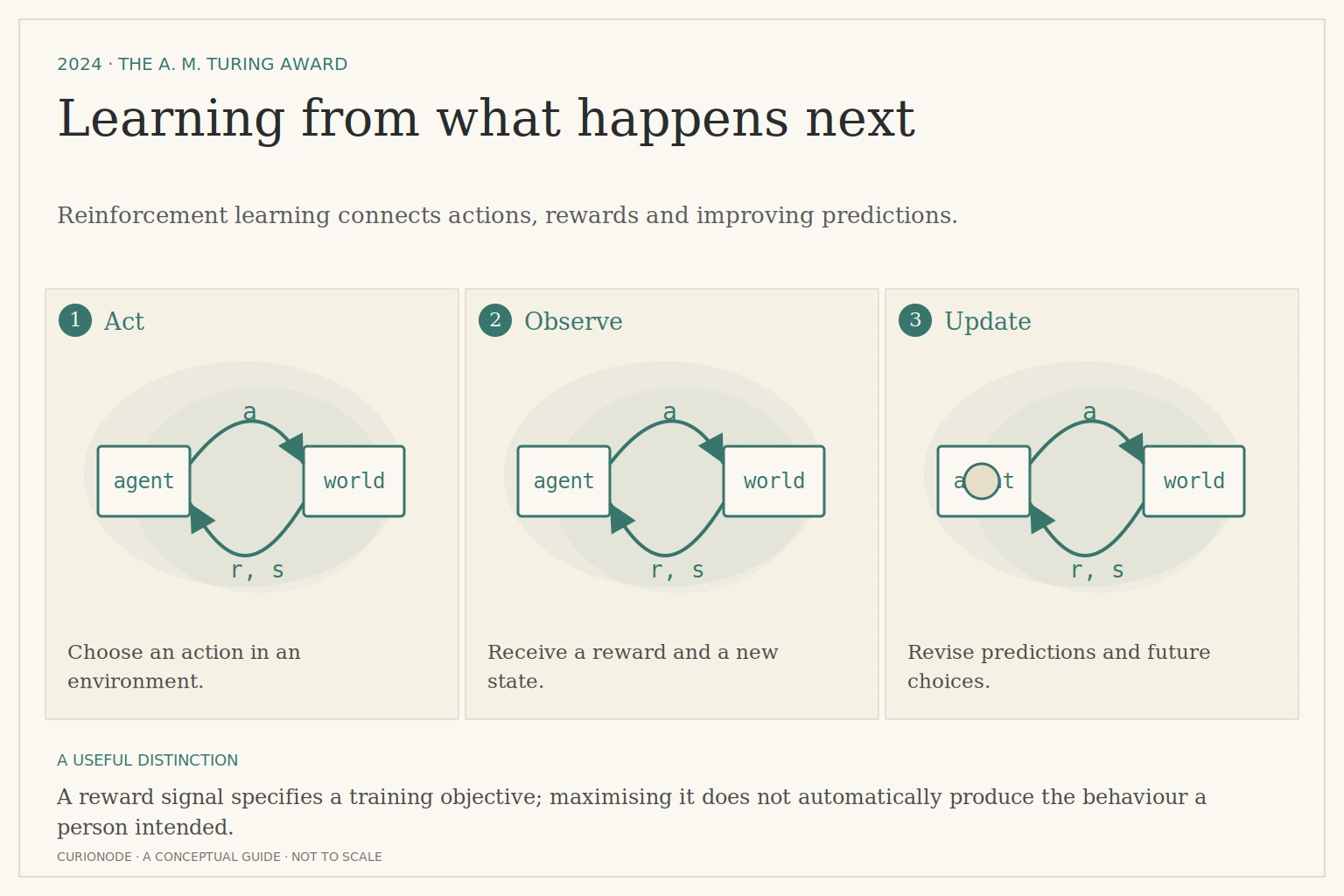
Learning from what happens next: Reinforcement learning connects actions, rewards and improving predictions.
Original conceptual diagram by Curionode. Read the text version below for the full explanation.
Read the poster text
  1. Act

    Choose an action in an environment.

  2. Observe

    Receive a reward and a new state.

  3. Update

    Revise predictions and future choices.

A reward signal specifies a training objective; maximising it does not automatically produce the behaviour a person intended.

01 · The idea

In everyday language

Andrew Barto and Richard Sutton established conceptual and algorithmic foundations of reinforcement learning. An agent acts, observes what happens and uses reward signals to improve future behaviour. Temporal-difference learning updates a prediction using both an immediate outcome and a revised prediction of what follows.

Why it matters

Learning through interaction became a central approach to decision-making systems, from games to control.
02 · The people

Who brought the idea to life?

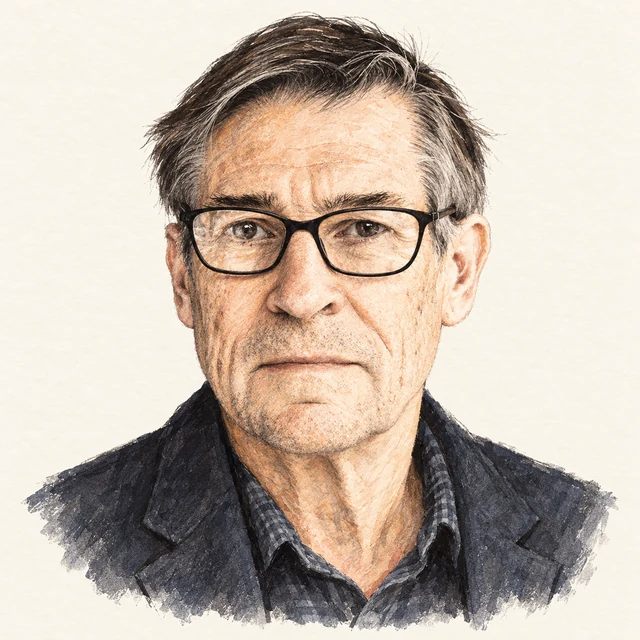
Illustrated portrait of Andrew Barto

Andrew Barto

Andrew Barto helped establish reinforcement learning as a computational approach to learning from rewards. At the University of Massachusetts Amherst, his work with Richard Sutton and others connected adaptive control, neural networks, and learning through interaction. He contributed to the conceptual and algorithmic foundations of the field and co-authored its standard textbook. His role in the joint award reflects both foundational research and decades of mentorship and synthesis.

Read the biography ↗
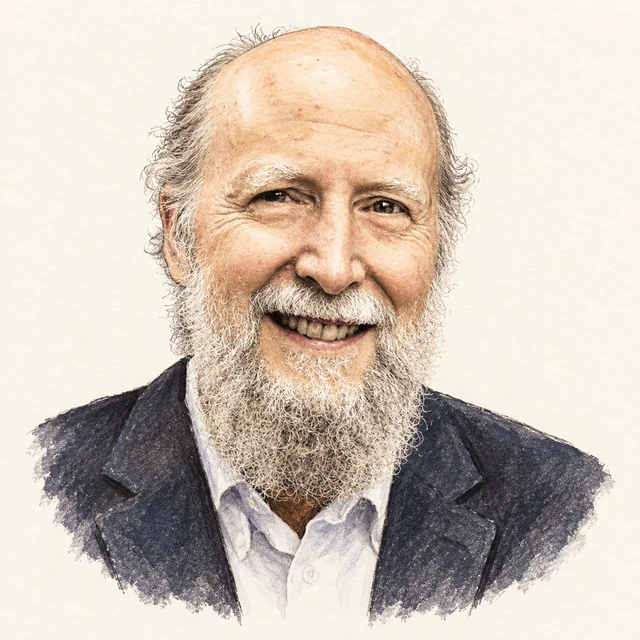
Illustrated portrait of Richard Sutton

Richard Sutton

Richard Sutton developed central ideas in reinforcement learning, including temporal-difference methods that learn predictions from the difference between successive estimates. His work also investigated how learning, planning, and action can be integrated within one agent. He collaborated with Andrew Barto on foundational research and their widely used textbook. His affiliations at Alberta and Keen Technologies reflect continued work on general learning systems after the field became widely influential.

Read the biography ↗

03 · Read further

From the original sources

Original explanations based on the official award record. The subject label is an editorial navigation aid.

  1. Official ACM profile: Richard Sutton ↗www.acm.org
  2. Heidelberg Laureate Forum: Andrew Barto ↗www.heidelberg-laureate-forum.org
  3. Heidelberg Laureate Forum: Richard Sutton ↗www.heidelberg-laureate-forum.org
  4. ACM award booklet ↗awards.acm.org